
Einleitung
Von KI angetriebene Suchmaschinen verändern die Art und Weise, wie Nutzer ihre Anfragen formulieren und Antworten konsumieren. Zwischen Google, das generative Antworten integriert, Bing/Copilot, Perplexity und der direkten Nutzung von ChatGPT ist die Ergebnisseite nicht mehr nur eine Liste von Links. Große Sprachmodelle (LLM) fassen zusammen, priorisieren und zitieren Quellen. Für Unternehmen bedeutet das, die Keyword-Strategie über Suchvolumen und reine Positionierung hinaus neu zu denken.
Die Anpassung der Strategie bedeutet, von einer „Begriffs“-Logik zu einer Logik von „Intentionen, Entitäten und Belegen“ überzugehen, um Inhalte zu erstellen, die sowohl für Google als auch für KI-Suchmaschinen optimiert sind. Das Ziel bleibt dasselbe: die Online-Sichtbarkeit nachhaltig zu verbessern und qualifizierten organischen Traffic zu gewinnen. Der Weg dorthin ändert sich jedoch. Dieser Leitfaden bietet eine praxisorientierte Methode, bewährte SEO-Praktiken und GEO-Hebel (Generative Engine Optimization) für Inhalte, die sowohl in der klassischen Suche als auch in generativen Antworten erfolgreich sind.
Entwicklung
1) Die Mutation verstehen: Von der Keyword-Anfrage zur Intention und zu Entitäten
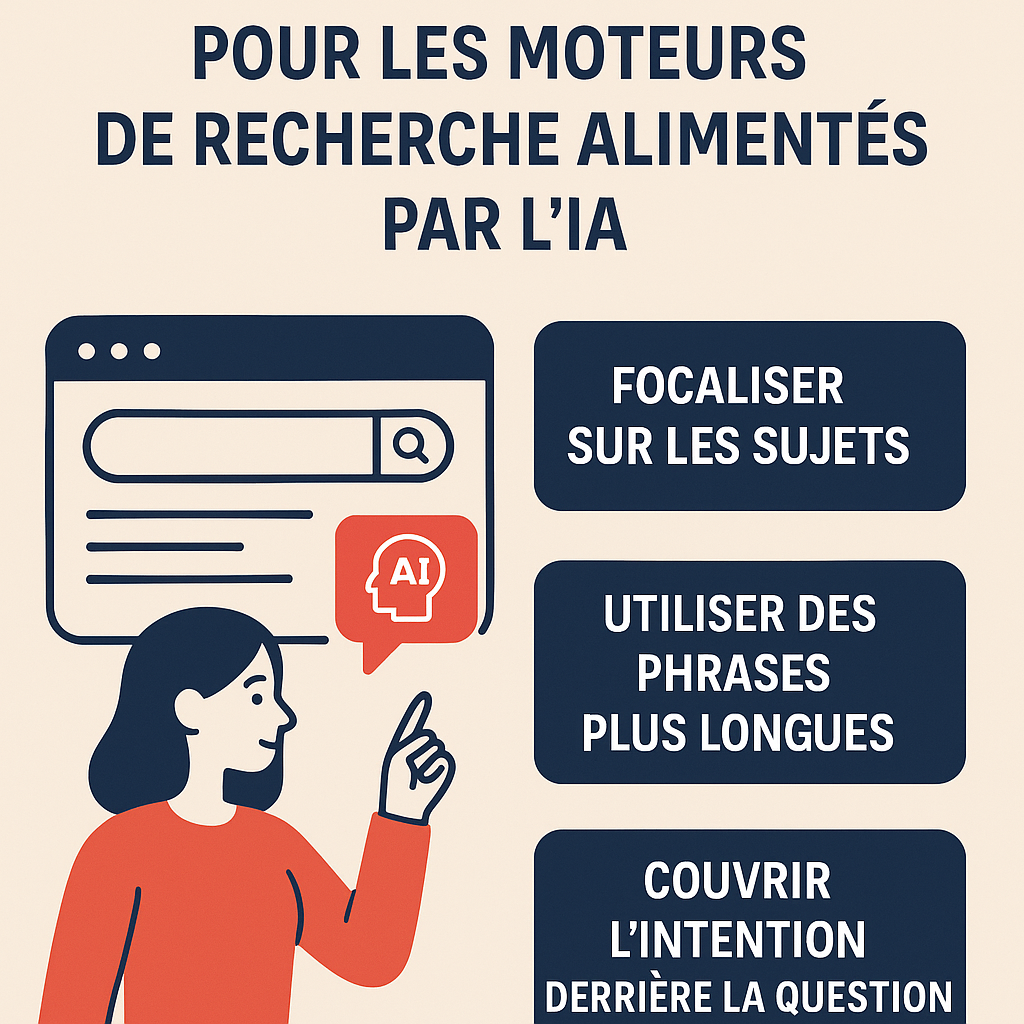
Von KI unterstützte Suchmaschinen interpretieren eher die Bedeutung als die Zeichenkette. Große Sprachmodelle (LLMs) arbeiten mit Entitäten, Attributen und semantischen Beziehungen und liefern dann eine strukturierte und belegte Antwort. Das hat mehrere Implikationen:
- Anfragen werden konversationell, reichhaltig und kontextbezogen. Der Nutzer stellt Folgefragen und präzisiert seine Situation.
- Suchmaschinen bevorzugen Inhalte, die eine Aufgabe klar lösen und Belege liefern: Daten, Beispiele, verlässliche Quellen, aktuelle Informationen.
- Die Auswahl der zitierten Quellen hängt von Autoritätssignalen, semantischer Klarheit, Informationsstrukturierung und einfacher Extrahierbarkeit ab.
In diesem Kontext entwickelt sich die Keyword-Strategie hin zu thematischen Clustern rund um Zielintentionen und -entitäten. Seiten müssen so gestaltet sein, dass sie präzise antworten, aber auch von generativen Suchmaschinen „gelesen“ werden können. Das ist der Kern von SEO und GEO (Generative Engine Optimization).
2) Die Keyword-Recherche für KI-Suchmaschinen neu definieren
Die Segmentierung in Head/Middle/Long Tail bleibt nützlich, sollte aber durch eine Kartierung der Suchintentionen und Mikroaufgaben ergänzt werden. Eine generative Anfrage ähnelt oft einem Prompt: Sie kombiniert ein Thema, einen Kontext, Kriterien und manchmal ein erwartetes Ausgabeformat.
Operativer Rahmen „I3E“ zur Neugestaltung Ihrer Keywords: - Intentionen: Die Nutzerziele identifizieren (verstehen, vergleichen, auswählen, implementieren, kaufen). - Sekundäre Intentionen: Die Situation präzisieren (Branche, Unternehmensgröße, Budget, regulatorische Vorgaben). - Entitäten: Die wichtigsten Entitäten und deren Attribute definieren (Produkte, Techniken, Orte, Normen, Tools). - Evidenzen: Die erwarteten Belege zusammenstellen (Zahlen, Studien, Use Cases, Demonstrationen, Beispiele). - Erfahrung: Die Expertise und den Autor klären sowie anwendbare Schritt-für-Schritt-Anleitungen liefern.
Konkrete Quellen zur Unterstützung dieser Recherche: - Search Console-Daten, People Also Ask, Discover Insights und Autovervollständigungsvorschläge. - Interne Suchlogs, Support-Tickets, CRM und Verkaufsgespräche. - Foren, Bewertungen, Fachcommunities, LinkedIn, Reddit. - QA-/generative Tools (Perplexity, ChatGPT), um Varianten und Unterfragen zu erkunden. - Produktnutzungsdaten für SaaS: wiederkehrende Aufgaben, Pain Points, Kundensegmente.
Erstellen Sie thematische Cluster, die abbilden: - Die wesentlichen Fragen und deren konversationelle Umformulierungen. - Die von Entscheidern verwendeten Vergleichsattribute (Preis, Integrationen, Sicherheit, ROI). - Die konkreten Nutzungskontexte (Kleinstunternehmen, KMU, B2B-SaaS, regulierter Sektor). - Die einzubindenden Autoritäts- und Aktualitätssignale (Normen, Benchmarks, aktuelle Studien).
Dieser Ansatz geht über das isolierte Schlüsselwort hinaus. Er bereitet Inhalte vor, die bereit sind, auf KI-Suchmaschinen zu antworten – mit fortgeschrittener semantischer Strukturierung und nützlicher Granularität.
3) Optimieren Sie Ihre Seiten für SEO + GEO: semantische Strukturierung und verwertbare Antworten
Generative Suchmaschinen extrahieren „Antwort-Einheiten“. Geben Sie ihnen klare, typisierte, belegbare Blöcke.
- Semantische Strukturierung: Hierarchisieren Sie mit sinnvollen H2/H3, integrieren Sie Definitionen, Listen, Tabellen, nummerierte Kästen und schema.org-Markup (FAQPage, HowTo, Product, Article).
- „Answer Units“: Geben Sie prägnante Antworten auf Schlüsselfragen, gefolgt von einer ausführlichen Erläuterung. Klare Auszüge erhöhen die Wahrscheinlichkeit, zitiert zu werden.
- Belege und Quellen: Fügen Sie überprüfbare Daten, hochwertige externe Referenzen und konkrete Beispiele ein. Aktualisieren Sie diese regelmäßig.
- Entitäten und Beziehungen: Benennen Sie Entitäten präzise, verwenden Sie relevante Synonyme und fachliche Beziehungen. Diese semantische Optimierung der Inhalte erleichtert die semantische Indexierung und Extraktion durch LLM.
- Erfahrung und Autor: Zeigen Sie Expertise, redaktionelle Verantwortung, Methodik und Grenzen auf. Dies stärkt das Vertrauen von Algorithmen und Lesern.
Checkliste für KI-kompatible Inhalte: - Die wichtigsten Nutzerfragen sind sichtbar und werden am Seitenanfang behandelt. - Jede Antwort enthält Belege: Zahlen, Screenshots, Beispiele, datierte Referenzen. - Das passende und gültige schema.org-Markup ist vorhanden. - „How-to“-Boxen oder „Schlüsselschritte“ sind leicht extrahierbar. - Autor, Aktualisierungsdatum und Methodik sind angegeben. - Kontextualisierte interne Links verbinden Intent- und Entitäten-Cluster.
Format-Tipp: Denken Sie in „Intent-Paketen“. Zum Beispiel beantwortet eine Pillar-Page die breite Intention, Satellitenartikel behandeln situative Varianten und FAQs zielen auf konversationelle Formulierungen ab. So schaffen Sie ein Netzwerk, das sowohl der klassischen Suche als auch KI dient.
4) Produktion im großen Maßstab ohne Qualitätsverlust: Prozesse, Tools und Governance
Die Erstellung redaktioneller Inhalte in großem Maßstab darf nicht mit Duplizierung oder Mittelmäßigkeit einhergehen. Künstliche Intelligenz, angewandt auf SEO, ermöglicht eine Industrialisierung bei gleichzeitiger Sicherung der Qualität.
Hybrider Produktionsrahmen: - Automatisierung der redaktionellen Strategie: Clustering von Suchanfragen, Erkennung von Suchintentionen, Erstellung strukturierter Briefings mit Entitäten, Fragen und Zielquellen. - KI für die Erstellung redaktioneller Inhalte: Entwürfe mittels LLM, angereichert durch redaktionelle Regeln, interne Daten und fachkundige Überprüfung. - Qualitätskontrollen: Faktenprüfung, Erkennung von Redundanzen, Ausrichtung auf die Markenstimme, rechtliche und ethische Konformität der KI. - Veröffentlichung von SEO-optimierten Inhalten: Metadaten, interne Verlinkung, Schemas, relevante CTAs, Optimierung für Suchmaschinen und generative Suchsysteme. - Wartung: Recycling, faktische Aktualisierung, Erweiterung von Abschnitten mit hoher Zugkraft, Beseitigung von Kannibalisierungen.
Beispiel für ein Tool: Blogs Bot, eine automatisierte Content-Generierungsplattform, kombiniert große Sprachmodelle, fortschrittliche redaktionelle Regeln und bewährte SEO-Mechanismen, um hochwertige Inhalte automatisch zu erstellen, zu strukturieren und zu veröffentlichen. Diese SaaS-Plattform für die Erstellung von SEO-Inhalten kann helfen: - Marketingteams, eine Content-Plattform für Marketingteams zu steuern, ohne systematische Auslagerung. - Kleinstunternehmen, KMU und SaaS, ein SEO-Tool für KMU zu nutzen, die Kosten für die Inhaltserstellung zu senken und eine regelmäßige Veröffentlichung von Inhalten ohne Aufwand zu ermöglichen. - Unternehmen und Selbstständigen, eine zuverlässige Content-Lösung als Alternative zu Agenturen oder freiberuflichen Textern zu bieten, bei gleichzeitig starker redaktioneller Kontrolle.
Der erwartete Nutzen ist zweifach: Die Beschleunigung der automatisierten Erstellung von SEO-Artikeln bei gleichzeitiger Sicherstellung einer semantischen Optimierung der Inhalte und inhaltlichen Kohärenz. Das Endziel bleibt die Gewinnung qualifizierten organischen Traffics und die umfassende Abdeckung der Zielintentionen.
5) Messen, iterieren und absichern Ihrer Keyword-Strategie im Zeitalter der LLM
Die GEO-Performance beschränkt sich nicht auf klassische Positionen. Sie müssen Ihre Sichtbarkeit in generativen Antworten und den Anteil abgedeckter Suchintentionen messen.
Zu verfolgende Kennzahlen: - Abdeckung von Intentionen und Entitäten: Anteil der prioritären Intentionen mit dedizierten und aktualisierten Inhalten. - Zero-Click-Sichtbarkeit: Präsenz in Featured Snippets, FAQ, People Also Ask und Erwähnungen in generativen Vorschauen, soweit beobachtbar. - Traffic aus KI-Quellen: Klicks und Verweise von aufkommenden generativen Suchmaschinen und Aggregatoren. - Engagement auf der Seite: Lesezeit, Scrolltiefe, Erfüllungsrate der Aufgabe (Downloads, Produkttests, Demoanfragen). - Semantische Qualität: Interne Vollständigkeits-Scores pro Entität, Tiefe der Belege, Aktualität der Quellen.
Kontinuierliche Verbesserungsschleife: - Monatliche Analyse neuer Fragen und konversationeller Varianten. - A/B-Tests von „Answer Units“, Schemata und Beispielen. - Anreicherung der Gewinnerseiten durch zusätzliche Belege, Fallstudien und Vergleiche. - Erkennung und Lösung von Kannibalisierungen zwischen Artikeln desselben Clusters.
Ethische Dimension und Compliance: - Transparenz über den Einsatz von KI, Quellenangaben, Einhaltung des Urheberrechts. - Prüfprozesse zur Begrenzung von Halluzinationen, Verzerrungen und Fehlern. - Übereinstimmung mit den Richtlinien Ihrer Branche und den SEO-Trends im Zusammenhang mit KI-Ethik.
6) Schritt-für-Schritt-Methode zur Anpassung Ihres Keyword-Portfolios
Vorschlag für einen einfachen Ansatz in vier Schritten: - Kartieren: Listen Sie Ihre aktuellen Seiten, die zugehörigen Keywords, die abgedeckten Suchintentionen und Entitäten auf. Identifizieren Sie Lücken und Überschneidungen. - Priorisieren: Wählen Sie für jede Persona 5 bis 10 kritische Intentionen aus und leiten Sie für jede die erwarteten konversationellen Varianten und vergleichenden Attribute ab. - Produzieren/Optimieren: Erstellen Sie für jede Schlüsselintention eine Hauptseite, Satelliten für Anwendungsfälle und eine bereichsübergreifende FAQ. Integrieren Sie Schemata, Belege und Antwort-Elemente. - Messen/Iterieren: Verfolgen Sie Sichtbarkeit, Engagement und Erwähnungen; aktualisieren Sie vierteljährlich Seiten mit hohem Potenzial und recyceln Sie veraltete Inhalte.
Diese Methode ist unabhängig von Ihrem Reifegrad anwendbar und lässt sich problemlos in eine Content-SaaS-Plattform mit automatisierter Content-Produktion integrieren.
FAQ
Was ist GEO und wie unterscheidet es sich vom klassischen SEO? - Generative Engine Optimization zielt darauf ab, Ihre Inhalte für generative Suchmaschinen, die Antworten synthetisieren, bevorzugt zu machen. Es ergänzt das klassische SEO, indem es besonderen Wert auf semantische Klarheit, Antwort-Einheiten, Belege und die leichte Extrahierbarkeit durch LLMs legt.
Sollte man weiterhin auf exakte Keywords abzielen? - Ja, aber eher als Orientierungshilfe denn als Selbstzweck. Priorisieren Sie Intentionen und Entitäten, decken Sie konversationelle Varianten ab und sorgen Sie für eine robuste semantische Optimierung. Exakte Keywords bleiben für Tags, Titel und Zwischenüberschriften nützlich.
Kann man ChatGPT für die Keyword-Recherche nutzen? - Ja, um verwandte Fragen, konversationelle Formulierungen und Intentionswinkel zu erkunden. Vergleichen Sie die Vorschläge jedoch mit Volumendaten, der Search Console und Ihren internen Quellen, um in der Realität verankert zu bleiben.
Helfen FAQs auf Seiten den KI-Maschinen? - Ja, wenn sie konkrete und belegte Antworten liefern. Kombinieren Sie FAQ-Blöcke mit dem schema.org FAQPage-Markup und verknüpfen Sie diese mit detaillierten Abschnitten.
Wie vermeidet man Kannibalisierung bei einem Cluster-Ansatz? - Geben Sie jeder Seite eine klare Rolle: Die Hauptseite deckt die breite Intention ab, die Satelliten behandeln spezifische Anwendungsfälle. Verwenden Sie eine hierarchische interne Verlinkung und unterscheiden Sie zwischen Haupt- und Nebenkeywords.
Welchen Stellenwert hat die Ethik der KI in einer Content-Strategie? - Sie ist zentral. Geben Sie die Methodik an, zitieren Sie Ihre Quellen, überprüfen Sie Fakten und respektieren Sie das geistige Eigentum. Führen Sie menschliche Überprüfungen und explizite redaktionelle Richtlinien ein.
Sind Metadaten und Schemas immer noch nützlich? - Mehr denn je. Sie helfen beim maschinellen Verständnis, fördern Snippets und erleichtern die Aggregation durch generative Suchmaschinen.
Fazit
Die Anpassung Ihrer Keyword-Strategie an von KI betriebene Suchmaschinen bedeutet, von einer auf Begriffe zentrierten Welt zu einem von Intentionen, Entitäten und Belegen gesteuerten Ökosystem zu wechseln. Indem Sie Ihre Inhalte so strukturieren, dass sie sowohl für Menschen lesbar als auch für LLMs verwertbar sind, stärken Sie Ihr SEO, erhöhen Ihre Chancen, in generativen Antworten zitiert zu werden, und fördern eine nachhaltige Verbesserung der Online-Sichtbarkeit.
Eine durchdachte Industrialisierung, unterstützt durch eine Content-Plattform für Marketingteams, ermöglicht es, in großem Maßstab zu produzieren, ohne auf Qualität zu verzichten. Eine Lösung wie Blogs Bot, eine Plattform zur Generierung von SEO- und GEO-optimierten Inhalten, hilft Organisationen, die Redaktionsstrategie zu automatisieren, die Erstellung zu orchestrieren und SEO-optimierte Inhalte zu veröffentlichen – im Dienst von Kleinstunternehmen, KMU und SaaS ebenso wie von Selbstständigen. Das ist ein glaubwürdiger Weg zur redaktionellen Autonomie, eine Alternative zu Textagenturen, für eine regelmäßige, mühelose Veröffentlichung von Inhalten und eine Senkung der Content-Erstellungskosten.
Das Umfeld entwickelt sich schnell, aber die Grundlagen bleiben stabil: den Nutzer verstehen, verlässliche Antworten liefern und Ihre Expertise unter Beweis stellen. Mit einer klaren Methode, bewährten GEO-Praktiken und passenden Tools werden Ihre Inhalte für Google und KI-Suchmaschinen – heute und in Zukunft – optimiert sein.


