Meranie vplyvu automaticky generovaného obsahu na vašu SEO ROI
V neustále sa meniacom digitálnom svete sa optimalizácia pre vyhľadávače (SEO) stala kľúčovým prvkom pre firmy, ktoré sa snažia zlepšiť svoju online viditeľnosť. Vznik platforiem na automatickú generáciu obsahu transformoval spôsob, akým firmy pristupujú k tvorbe obsahu. Tento článok sa zaoberá tým, ako merať vplyv týchto nástrojov na návratnosť investícií (ROI) do SEO, čo je kľúčové pre obchodných lídrov a marketingových manažérov.
Ako ovplyvňujú platformy na automatickú generáciu obsahu SEO?
Platformy SaaS na tvorbu SEO obsahu umožňujú firmám produkovať optimalizované články bez potreby outsourcingu. Tieto nástroje využívajú umelú inteligenciu aplikovanú na SEO na automatickú tvorbu kvalitných článkov. Vďaka pokročilej sémantickej štruktúre môžu tieto platformy zlepšiť sémantickú optimalizáciu obsahu, čím zvyšujú viditeľnosť vo vyhľadávačoch.
Výhody automatizácie produkcie obsahu
- Zníženie nákladov: Automatizácia umožňuje znížiť výdavky spojené s outsourcingom písania.
- Pravidelná publikácia: Firmy môžu udržiavať tempo publikácie bez ďalšieho úsilia.
- Redakčná samostatnosť: Marketingové tímy môžu spravovať tvorbu obsahu interne, bez závislosti na agentúrach alebo freelancerov.
Aké ukazovatele sledovať na hodnotenie ROI SEO?
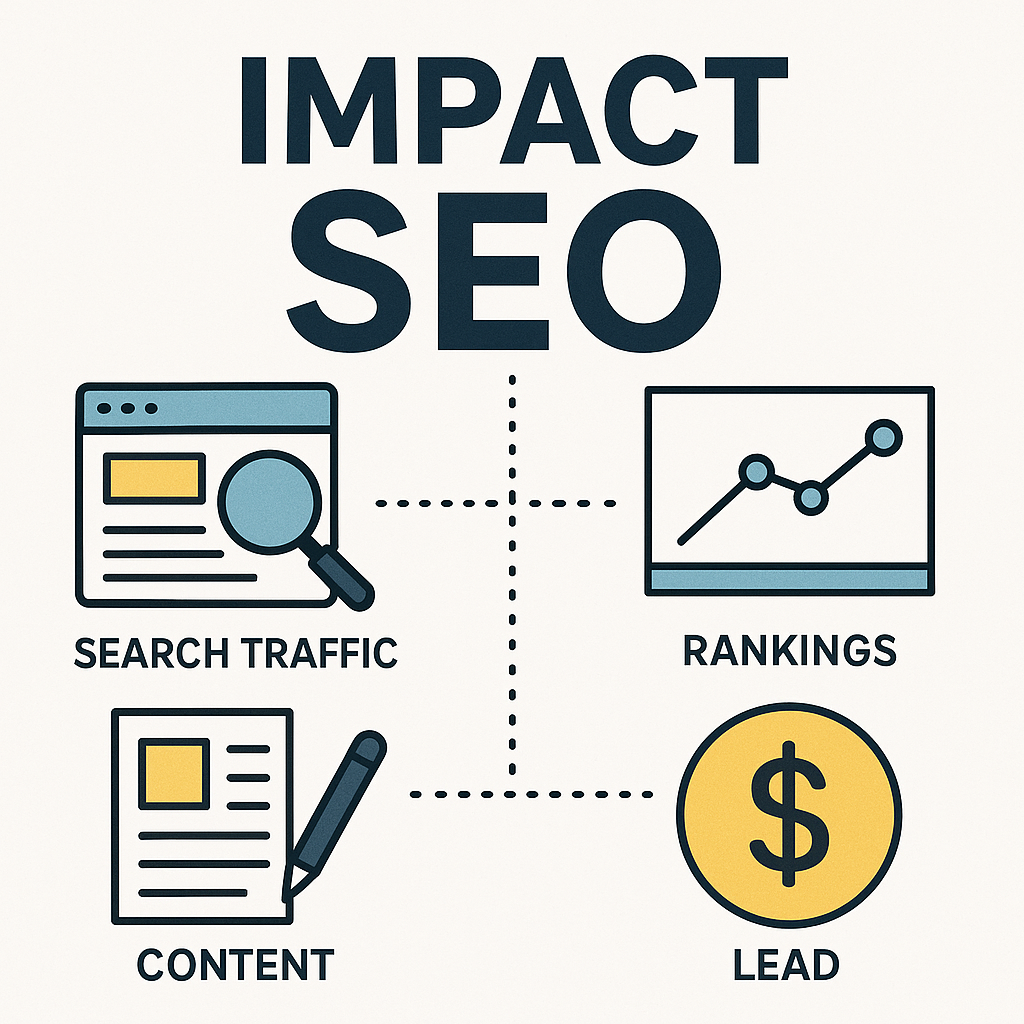
Na meranie vplyvu automaticky generovaného obsahu je dôležité sledovať niektoré kľúčové ukazovatele výkonnosti (KPI). Tu je niekoľko metrik, ktoré treba zvážiť:
Kvalitná organická prevádzka
Akvizícia kvalitnej organickej návštevnosti je priamym indikátorom efektívnosti optimalizovaných obsahov. Sledovaním vývoja počtu návštevníkov z vyhľadávačov môžu firmy posúdiť atraktivitu svojich článkov.
Miera konverzie
Miera konverzie meria schopnosť obsahov premeniť návštevníkov na zákazníkov. Dobre štruktúrovaný a optimalizovaný obsah môže túto mieru zvýšiť, a tým prispieť k lepšej ROI.
Umiestnenie vo vyhľadávačoch
Analýza umiestnenia vašich článkov vo vyhľadávačoch a generatívnych vyhľadávačoch je zásadná. Dobré umiestnenie znamená, že obsah je relevantný a dobre optimalizovaný.
Ako IA zlepšuje redakčnú stratégiu?
Umelá inteligencia pre tvorbu redakčného obsahu umožňuje automatizáciu redakčnej stratégie. Nástroje IA môžu analyzovať vyhľadávacie trendy a navrhovať relevantné témy, čím zaručujú trvalé zlepšenie online viditeľnosti.
Pokročilá sémantická štruktúra
Vďaka optimalizácii pre vyhľadávače a generatívne vyhľadávače sú obsahy lepšie zarovnané s očakávaniami užívateľov a algoritmov. To sa prejavuje lepšou akvizíciou organickej návštevnosti.
Aké výzvy je potrebné prekonať?
Aj keď platformy na obsah pre marketingové tímy ponúkajú mnoho výhod, predstavujú aj výzvy:
- Kvalita obsahu: Zabezpečiť, aby automaticky generované články boli vysoko kvalitné a relevantné pre cieľové publikum.
- Vývoj algoritmov: Vyhľadávače sa neustále vyvíjajú, čo vyžaduje neustále prispôsobovanie SEO stratégií.
- Personalizácia: Aj keď je automatizácia efektívna, personalizácia obsahu zostáva nevyhnutná pre zaujetie čitateľov.
Záver
Meranie vplyvu automaticky generovaného obsahu na ROI SEO je nevyhnutné pre každú firmu, ktorá sa snaží optimalizovať svoju online prítomnosť. Sledovaním správnych praktík prirodzeného vyhľadávania a využívaním vhodných nástrojov môžu firmy nielen znížiť náklady na tvorbu obsahu, ale aj zlepšiť svoju viditeľnosť a celkový výkon.
Hlavné body
- Používajte platformy na automatickú generáciu obsahu na zníženie nákladov.
- Sledujte organickú návštevnosť a mieru konverzie na hodnotenie ROI.
- Neustále prispôsobujte svoju SEO stratégiu vývoju algoritmov.
- Zabezpečte kvalitu a relevanciu generovaného obsahu.
- Integrujte IA na zlepšenie vašej redakčnej stratégie.